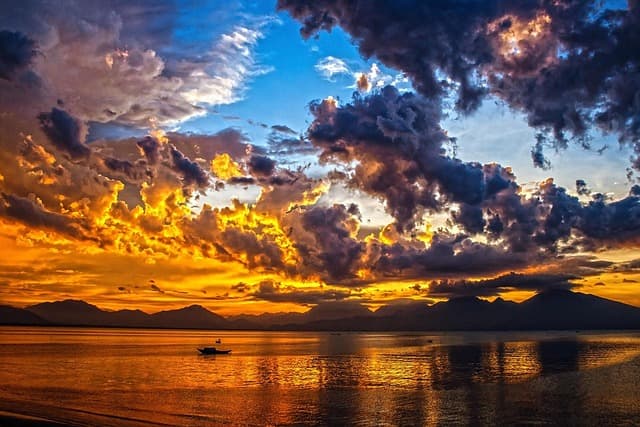
Hawaii is one of those destinations that feels mythic before you ever arrive. People imagine turquoise water, volcanic cliffs, fragrant breezes, and sunsets that look staged. But the best Hawaii trips aren’t built on daydreams—they’re built on smart planning. Hawaii rewards travelers who understand the islands’ rhythm: the climate patterns, the differences between islands, and the simple habits that turn a vacation into an easy, relaxed experience. With a bit of structure, you can spend less time improvising and more time enjoying why people fall in love with the islands in the first place.
A great starting point is understanding Hawaii’s seasons. Unlike places with dramatic winters, Hawaii is known for mild, comfortable weather year-round. Locals often summarize it simply: there’s a warmer “summer” season and a slightly cooler “winter” season, but it rarely feels harsh or unlivable. That consistency is one reason Hawaii works for so many types of travelers—families, hikers, beach lovers, honeymooners, and solo adventurers. Still, the stable climate can trick visitors into under-planning. The sun can be intense, and conditions can change quickly depending on elevation and coastline.
The second step is choosing the island that matches your intention. Too many first-timers try to “do Hawaii” as if it’s one place. In reality, each island has its own personality. If you want a lively atmosphere with city energy, dining, shopping, and a famous beach scene, you’ll likely gravitate toward Oahu. It’s the most visited island for a reason: it offers an easy mix of convenience and classic Hawaii imagery. If your dream includes an active volcanic landscape and dramatic, raw geology, the Big Island stands out with its volcanic identity and wide-open spaces.
For travelers who want quieter beauty, lush greenery, and a calmer pace, Kauai often becomes the dream choice. It’s frequently described as more relaxing and more naturally “tropical” in atmosphere—perfect for people who want gardens, scenic overlooks, and the feeling of being immersed in nature rather than surrounded by urban energy. Maui often lands in the middle: it can be relaxed, romantic, and scenic, with the added appeal of high-elevation landscapes and a wide range of experiences in a manageable size. And for those who want minimal crowds and a sense of stepping away from modern bustle, smaller islands such as Molokai or Lanai can feel like a reset button.
Once you’ve chosen an island, think in terms of “anchors” rather than trying to schedule every hour. Anchors are the main experiences that shape your days: a beach day, a hiking morning, a cultural evening, a scenic drive, a spa day, or a food-focused afternoon. If you plan one anchor per day and leave room for wandering, you avoid a common Hawaii mistake: over-scheduling. Hawaii is a place where the unexpected becomes the highlight—an unplanned lookout, a quiet beach at the right time, a local food find, or a moment of stillness in a garden. Those moments disappear if every minute is booked.
Accommodation is another key decision. Hawaii offers everything from budget-friendly stays to luxury resorts. Your choice should match how you plan to spend your time. If you intend to explore all day, a simple, comfortable base can be perfect. If you want the hotel itself to be a major part of the vacation—spa treatments, ocean-view breakfasts, long pool afternoons—then investing in higher-tier lodging can make sense. The important thing is location and lifestyle fit, not just star ratings. A “perfect” hotel in the wrong area can turn your trip into a daily commute.
Food is part of the Hawaii experience, and it’s worth approaching with curiosity. Hawaiian cuisine is shaped by cultural mixing—local ingredients, ocean influence, and layers of heritage. Rather than chasing only the most famous dishes, the best approach is to explore widely: try casual local staples, look for fresh island flavors, and give yourself permission to eat informally. Vacation meals don’t need to be complicated to be memorable. Often, the most satisfying moment is something simple eaten in a beautiful place.
Volcano culture is another thread that runs through the islands’ identity. Hawaii exists because of volcanic activity, and that geology affects everything—landscapes, black sand beaches, elevation changes, and dramatic scenery that can shift within a short drive. Even if you don’t visit an active volcanic area, you’ll feel the influence in the cliffs, valleys, and rugged coastlines. But volcanic environments require respect. Travelers should treat safety guidance seriously, stay aware of local conditions, and remember that nature isn’t a theme park. Hawaii’s power is real, and that’s part of what makes it unforgettable.
Practical travel habits matter too. Sun exposure can be stronger than visitors expect, especially during the middle of the day. Hydration is essential. Comfortable footwear helps more than you think, because even “easy” Hawaii days often involve walking in heat. Light layers are useful for evenings or higher elevations, where temperatures can feel cooler than at the beach. And for those traveling from far away, jet lag and long flight fatigue are real—so it’s smart to treat your first day as an adjustment day rather than forcing a full itinerary immediately.
Finally, remember that the “best Hawaii trip” isn’t the one with the most checkmarks. It’s the one where you feel present. Hawaii is naturally cinematic, but your job is not to chase photos—it’s to enjoy the atmosphere: the air, the light, the textures, the sense of distance from everyday life. When you choose the right island for your intentions, plan days around anchors, and keep space for spontaneous discovery, Hawaii becomes what people hope it will be: a place where time slows down and joy becomes easy.