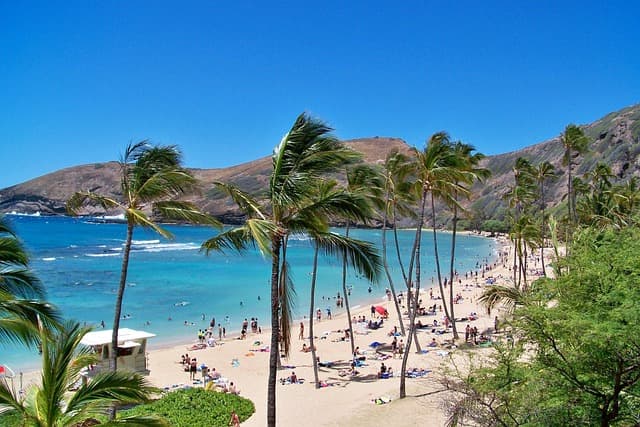
A Hawaii trip is often about restoring your nervous system—sunlight, ocean air, slower mornings, and days that feel spacious again. But modern vacations also include digital downtime, and many travelers enjoy short entertainment sessions between beach time and dinner, including experiences like Fugu Casino live. The key to a truly restorative holiday is the same for travel and leisure: build a rhythm that supports relaxation rather than turning your time away into another form of overstimulation.
Hawaii rewards travelers who understand that “island time” is not a slogan—it’s a practical approach to pace. The islands are not built for rushing. Scenic drives take longer than expected. Weather can shift between coast and elevation. The best days often involve small detours and unplanned viewpoints. If you plan too tightly, you’ll feel stressed in paradise, which defeats the purpose of coming. A better plan is to choose one main “anchor” experience per day and leave space around it.
Anchors might include a beach day, a cultural activity, a scenic drive, a spa afternoon, or a hiking morning. The anchor gives your day structure, while the open space allows the islands to surprise you. This balance is especially important in Hawaii because many of the most memorable experiences are accidental: the right beach at the right hour, a quiet overlook, a moment of stillness in lush greenery, or a simple local meal that becomes the highlight. Over-scheduling blocks those moments.
Choosing the right island is the first big decision. Oahu is often the choice for travelers who want a blend of city convenience and classic beach energy. It has famous areas for nightlife, shopping, and large resort infrastructure. The Big Island is for people who want volcanic identity, dramatic geology, and wide-open landscapes. Maui appeals to travelers who want a balanced mix—scenic drives, varied environments, and a combination of relaxation and exploration. Kauai is frequently chosen by those craving lush nature and a calmer pace, a place where “getting away” feels genuine. Smaller islands can be ideal for minimal crowds and a deeper sense of quiet, but they often require more planning around services and transport.
Climate planning is simpler in Hawaii than in many destinations, but it still matters. The islands are often described as having two main seasons: a warmer period and a cooler period, with generally pleasant temperatures across the year. This consistency makes packing easy—light clothing, swimwear, and casual items—but it can also lead to underestimating sun intensity. Sunscreen, hydration, and shade breaks become part of the daily routine. If you hike or visit higher elevations, bringing a light layer is wise because conditions can feel cooler, especially in the evening.
Accommodation choices also shape your rhythm. Some travelers want the resort experience: a place where pools, spa options, and ocean views are a significant part of the holiday. Others want a simple base so they can explore. Neither is “better.” The best choice matches your intention. If your goal is deep rest, choosing a place you genuinely enjoy staying in can be worth it. If your goal is exploration, prioritize location and practicality over luxury details you won’t use.
Food is another element that supports vacation mood. Hawaii’s cuisine is shaped by cultural blending and local ingredients, and it can be enjoyed casually without turning every meal into a reservation battle. A balanced approach works best: one special meal here and there, plus relaxed local eating that keeps the day easy. Over-planning dining can create the same stress as over-planning activities. Vacation meals are meant to feel nourishing, not exhausting.
Now add digital leisure to this picture. After a long day of sun and movement, people often look for short, low-effort entertainment while they cool down or wait for dinner. This is normal, but it can quietly steal the very rest you came for if it becomes open-ended. The most useful rule is pre-commitment: decide how long you want to engage before you start. Ten minutes or twenty minutes can be a refreshing break; an unplanned hour late at night can interfere with sleep and make the next day feel heavier.
The same principle applies to nighttime. Hawaii evenings can be beautiful—cooler air, quieter streets, softer light. If you fill the last hours of the day with high-stimulation screen activity, you may lose that natural wind-down. A better strategy is to create an end-of-day ritual: a shower, a short walk, a calm review of tomorrow’s anchor plan, then rest. When sleep improves, everything else improves: your energy, your patience, and your ability to enjoy the islands.
Ultimately, Hawaii is a place designed by nature to slow you down. You don’t need to force that slowness; you just need to avoid breaking it. Plan lightly, choose anchors, respect the sun, and let the islands breathe in your schedule. Then treat digital leisure the same way you treat travel activities: intentionally, in reasonable amounts, as a complement to the experience—not as a replacement for it. When you do that, your vacation becomes what it should be: a true reset that stays with you long after you return.